Automation & AI
The repetitive work, handled quietly
The business that replies first usually wins, and most enquiries sit unanswered because a person was busy doing something else.
We automate the parts of the day that do not need judgement, so the parts that do get your attention.
You’re probably here because
- Leads go cold before anyone replies
- Calls are missed and never followed up
- Intake information is collected twice, or not at all
- Someone spends hours a week copying data between systems
- Follow-up happens when somebody remembers
What’s included
- Instant lead response
- A reply goes out while the enquiry is still warm, day or night
- Missed-call text-back
- The call you could not take becomes a conversation instead of a lost job
- Customer intake that collects itself
- The information you need before the appointment, gathered before it
- Scheduling without the back-and-forth
- Booked directly against real availability
- Document and billing workflows
- Quotes, contracts and invoices that chase themselves
- AI where it genuinely helps
- Answering, routing and summarising — with a defined handoff to a human
What happens next
- 01Time the leaksWhere the delay actually is, and what each hour of it is costing.
- 02Automate the highest-cost oneUsually response time, because it is the cheapest to fix and the most valuable.
- 03Prove it, then extendOne workflow live and measured before the next is built.
- 04Watch itAutomations fail silently. Monitoring is part of the work, not an extra.
Work that involved this
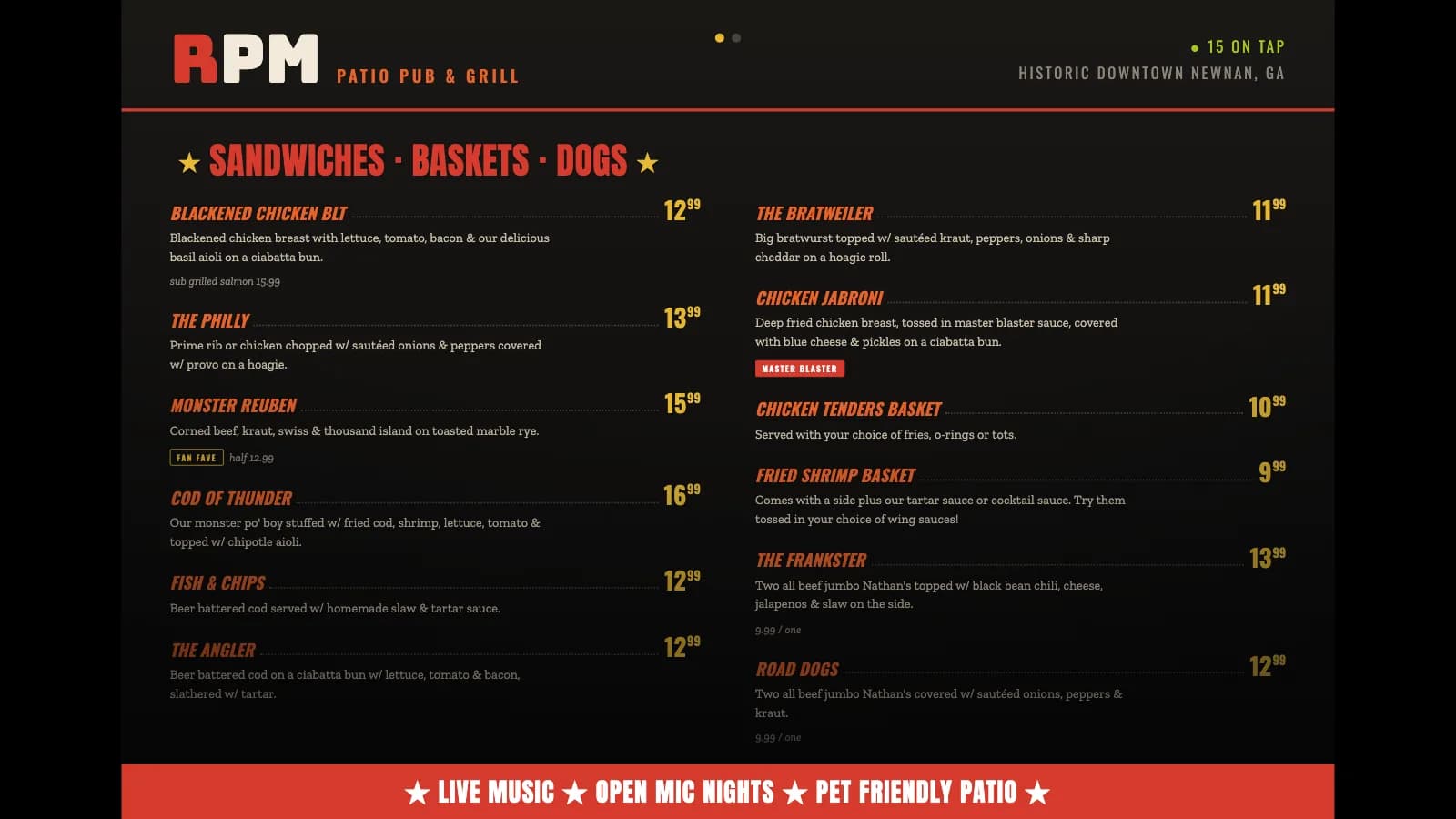 Newnan, GeorgiaDigital menu boards and a CMS for a pubA pub wanted its menu on screens above the bar and wanted to be the one changing it. The options on the shelf were a PDF on a television or a subscription that did not fit.
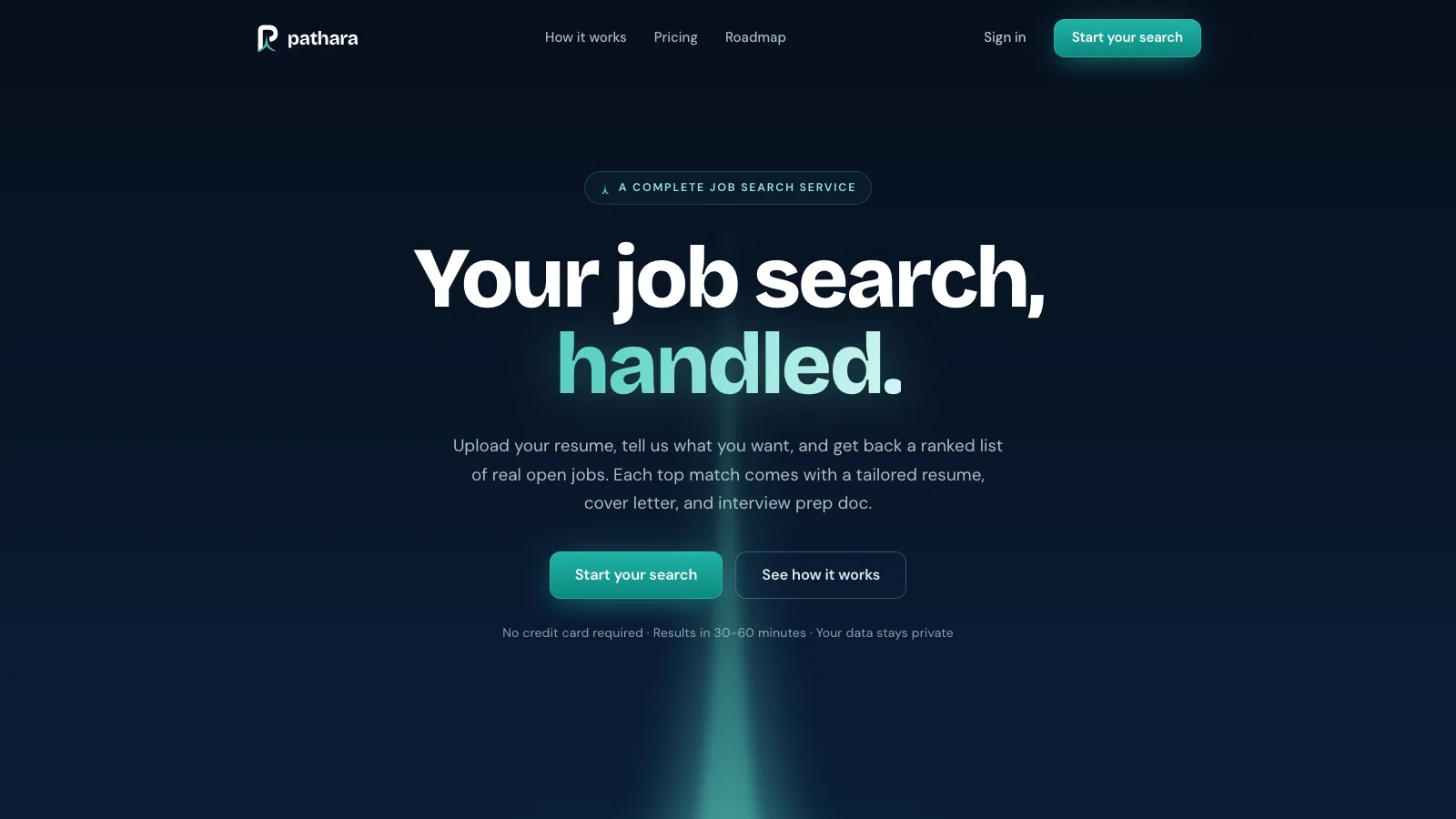 LivePathara — an AI agent pipeline for job seekersTurns a resume and a short questionnaire into a ranked list of real open jobs, each with a tailored resume, cover letter and interview prep document.
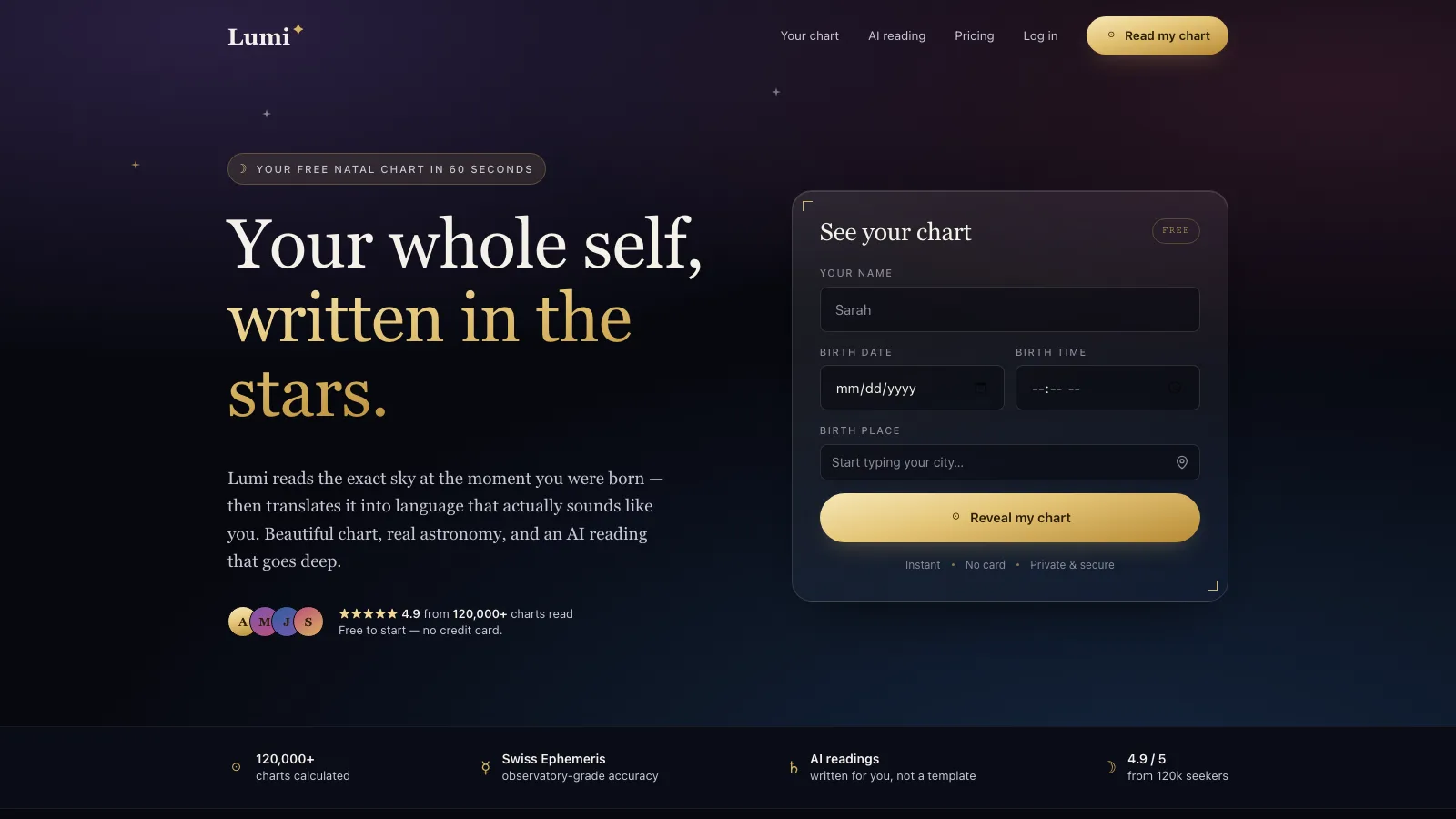 LiveLumi — chart astronomy with an AI reading on topCalculates a precise natal chart from real astronomical data, then has a model write a reading for that chart rather than fill in a template.
Common questions
- Will customers know they are talking to a machine?
- They should, and we build it that way. Disclosure is both the honest choice and the one that avoids the moment a customer works it out for themselves.
- What happens when the AI gets it wrong?
- It will, occasionally, which is why every system we build has a defined handoff to a person and a log you can review. Anything requiring judgement or carrying real consequence stays with a human by design.
- Is this worth it for a small team?
- Frequently more so. A small team feels the cost of repetitive work most acutely, and response time is where a small business can genuinely outperform a larger competitor.