E-commerce & product brands
Stores where the checkout is the whole business
An online store is the one business where every problem shows up as a number. That is a gift, and most stores never look at it.
We have supported over 140,000 orders. The pattern is consistent: the money is lost in the checkout and the product page, and almost never where people expect.
What is actually true about this trade
- Roughly seven in ten carts are abandoned, and a large share of that is people who were never going to buy
- Extra costs revealed late are the most-cited reason for abandoning a purchase
- Forced account creation costs a meaningful share of orders on its own
- Most shoppers look at images before reading anything at all
- Fulfilment and inventory problems eventually become website problems
Where the money leaks
- Shipping cost revealed at step four
- The single most-cited reason for abandonment. Showing it on the product page — even as an estimate with the assumption labelled — costs nothing and recovers orders.
- Guest checkout hidden or absent
- Forcing account creation loses orders from people who were ready to buy. Offer the account after the order, when you already have their details.
- Product pages that do not answer the question
- Scale, materials, what is included, what is not. Most shoppers explore images first, and most stores publish too few of them.
- Product data that fails current requirements
- Free listings need shipping settings and a published return policy. Requirements have changed recently, and a lot of stores are quietly non-compliant.
What we build for it
- Checkout rebuilt around the actual drop-off
- Measured first, then changed
- Product pages that answer before they sell
- Images that show scale, specifications that enable comparison
- Shipping and returns made visible early
- On the product page, and in the footer where people look for them
- Product data and Merchant Center
- Meeting current requirements, including the ones that changed this year
- Inventory and fulfilment integration
- So the storefront reflects what is actually in the warehouse
- Site search worth using
- And the logs read monthly — the most under-used data in retail
A date worth knowing
Content API for Shopping is being sunset. If any integration you run still uses it, that is a migration with a deadline rather than a nice-to-have. It is the first thing we check on an existing store.
Work in this industry
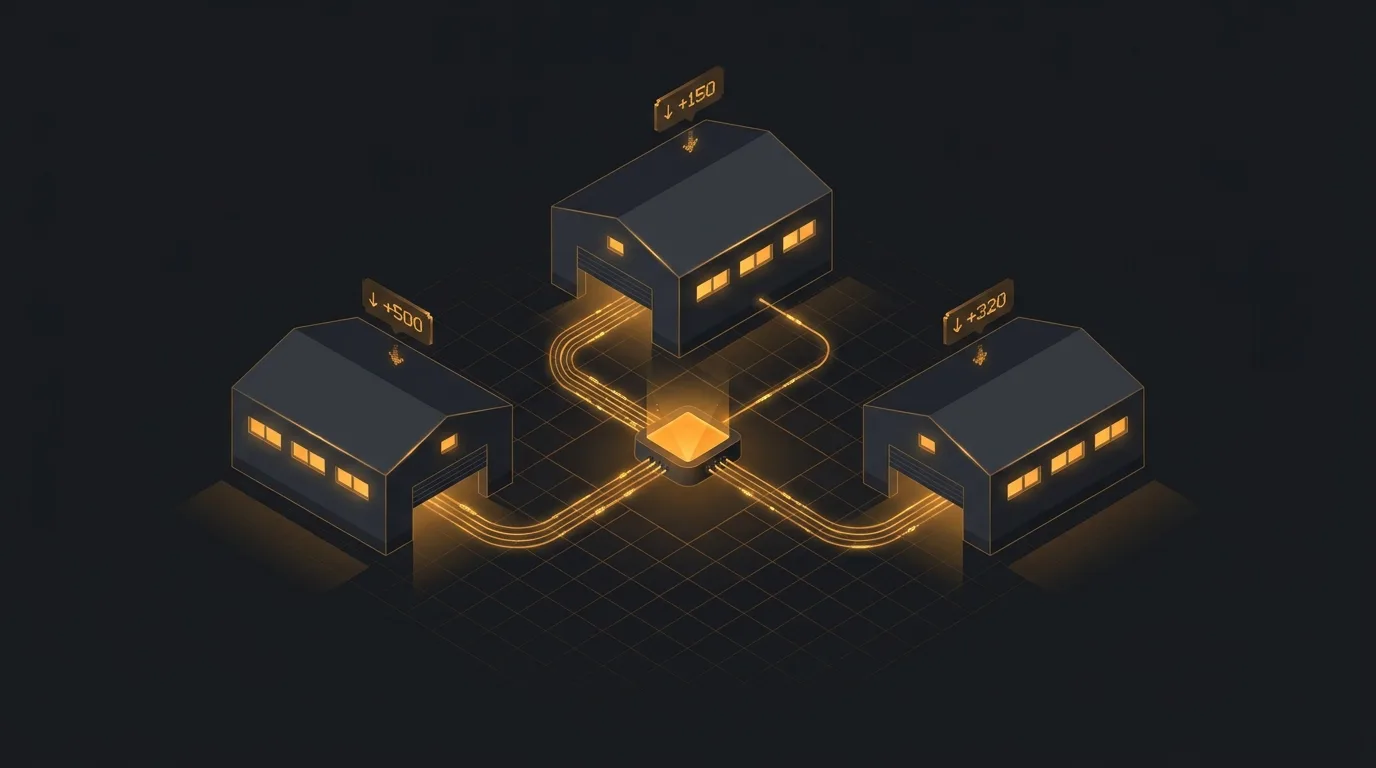 Central FloridaMulti-location inventory for a hemp brandA Central Florida hemp brand went from one online store to four retail locations, with a storefront and an ERP that disagreed about how much stock existed.
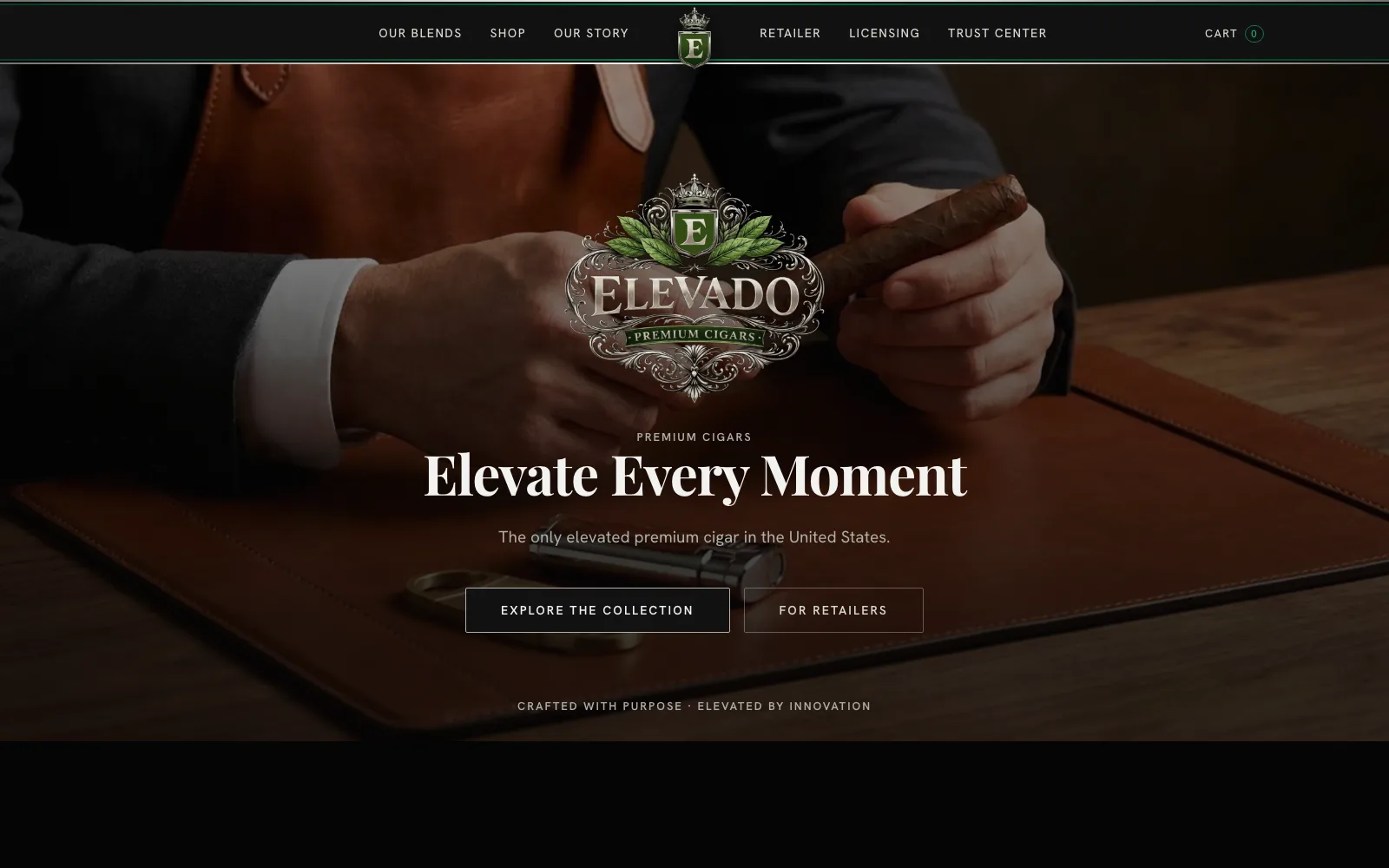 Tampa, FloridaLuxury storefront for Elevado CigarsA premium cigar brand began building its own storefront and stopped partway, once the regulatory detail and the hours both turned out to be larger than they looked.
Common questions
- Should we replatform?
- Usually not. Replatforming is expensive, disruptive, and rarely addresses the reason the store underperforms. We will measure the checkout first and tell you honestly whether the platform is genuinely the constraint.
- Our conversion rate is low. Is that the site?
- It might be traffic quality rather than the site. Both are measurable, and treating one as the other is how stores waste a year. That is the first thing the review establishes.
- Do you work with stores outside Florida?
- Yes. Ecommerce work is naturally remote, and a good share of it always has been.